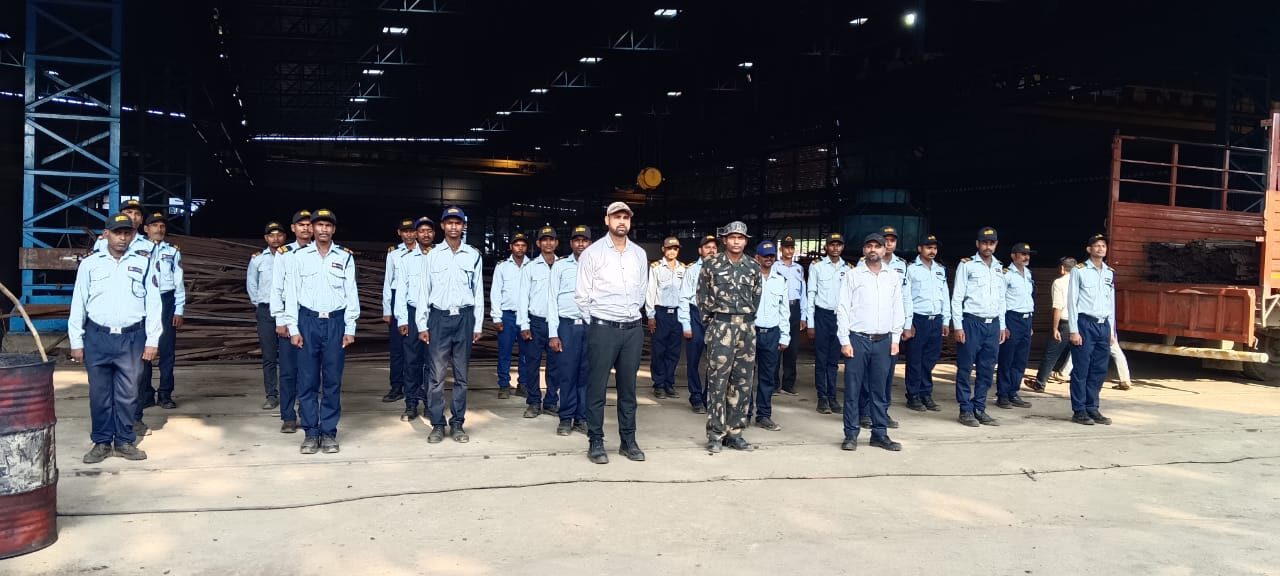

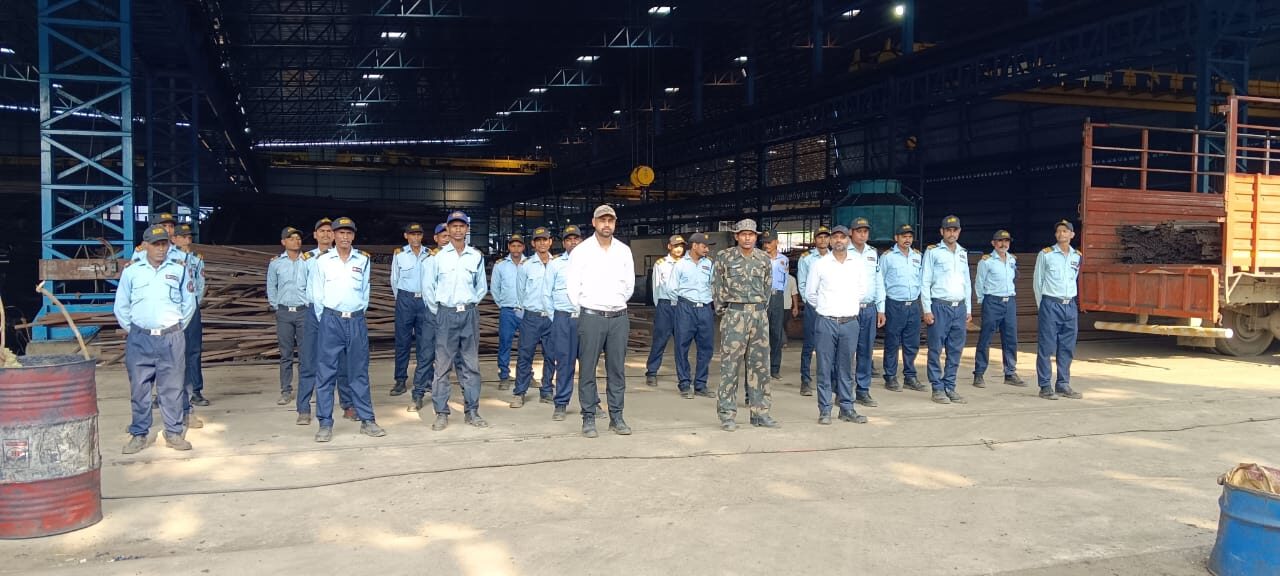
Schools, colleges, and coaching centres face unique security challenges today. Parents expect a safe environment, teachers need a peaceful workspace, and institutions must maintain strict discipline across campus. Many school administrations struggle to manage safety with limited staff or untrained guards. This blog explores how professionally trained security personnel create a secure, disciplined, and supportive environment in educational institutions—something essential for the wellbeing of students and smooth day-to-day operations.
1. Why Schools Need Dedicated and Professional Security
Educational institutions face a mix of responsibilities—ensuring the physical safety of students, maintaining discipline, and facilitating controlled movement across a large campus. Professional guards understand these complexities and operate with a sense of responsibility. They provide strong perimeter protection to prevent unauthorized entry, manage sensitive areas like playgrounds and corridors, and ensure all access points are monitored consistently throughout the day. Their presence helps deter potential threats or suspicious activities even before they escalate. Schools also deal with children of different age groups who need guidance, protection, and supervision—especially during busy hours. Professional guards support staff during morning assemblies, lunch breaks, and dispersal hours, ensuring order and safety at all times. Their disciplined approach helps reduce risks and maintains a secure learning environment.
2. Managing Crowds and Visitor Movement Effectively
Schools often experience heavy footfall due to parents, vendors, maintenance workers, and administrative visitors. Without proper visitor management, the campus can quickly become disorganized or unsafe. Trained guards maintain visitor registers, check IDs, provide passes, and ensure only authorized individuals enter restricted areas. They manage parent queues during parent-teacher meetings, guide new visitors to the correct departments, and help avoid overcrowding in lobbies or hallways. Their professional communication skills ensure that even during rush hours, the environment remains controlled and respectful. By monitoring corridors and entry points, guards also prevent outsiders from roaming freely within school premises. This structured movement creates a safe atmosphere and allows teachers and staff to focus on academic duties without disruptions.
3. Trained Personnel Handle Emergencies Better
Emergencies in schools can arise unexpectedly—medical issues, student conflicts, fire alarms, or external threats. Guards trained by retired Army professionals, like those at UV Human Security, are equipped with calmness, quick decision-making skills, and strong observation abilities. They follow predefined emergency protocols, coordinate efficiently with school staff, and manage evacuation routes effectively. Their training helps them remain composed and take the right actions under pressure—something untrained personnel may struggle with. Whether it’s assisting during minor injuries, responding to unusual behaviour, or alerting authorities during security breaches, trained guards act swiftly and responsibly. This reliability reassures parents and staff that professional support is available during critical moments.
4. Ensuring Discipline on Campus
Maintaining discipline within a school campus is essential for smooth functioning. Security personnel support teachers by monitoring corridors, preventing unnecessary gatherings of students, and discouraging loitering in sensitive areas. They help enforce school rules regarding entry and exit timings, student movement, and restricted zones. Their presence in playgrounds, laboratories, and common areas fosters a sense of order and safety among students. Guards also assist during special programs, assemblies, cultural events, and sports activities to maintain control and ensure timely coordination. Their disciplined behaviour sets an example for students—and contributes to a respectful and well-managed campus environment.
5. Safety Beyond the Gate: Transport & Perimeter Checks
School transport systems require strict supervision to ensure student safety during pick-up and drop-off. Professional guards help manage traffic flow around school gates, verify drivers and attendants, and oversee student boarding protocols. They ensure children are handed over only to authorized guardians, reducing the risk of confusion or mishaps. Guards also conduct periodic perimeter checks to look for potential vulnerabilities such as damaged fencing, unattended vehicles, or unauthorized persons near entry points. Their vigilance helps prevent accidents, avoid congestion, and maintain safety even outside the main campus area. This structured oversight reassures parents and supports the school’s overall security strategy.
Security in educational institutions goes far beyond opening gates and checking IDs; it requires discipline, awareness, empathy, and structured management. Professionally trained guards create an environment where students feel protected, teachers feel supported, and parents feel confident. Their presence ensures order, safety, and preparedness in every corner of the campus. As schools continue to modernize and expand, investing in trained security personnel becomes essential—not optional. Your thoughts and feedback are welcome below, as we continue to explore topics that matter for community safety and child protection.